Seoul Cooking Club · Guide
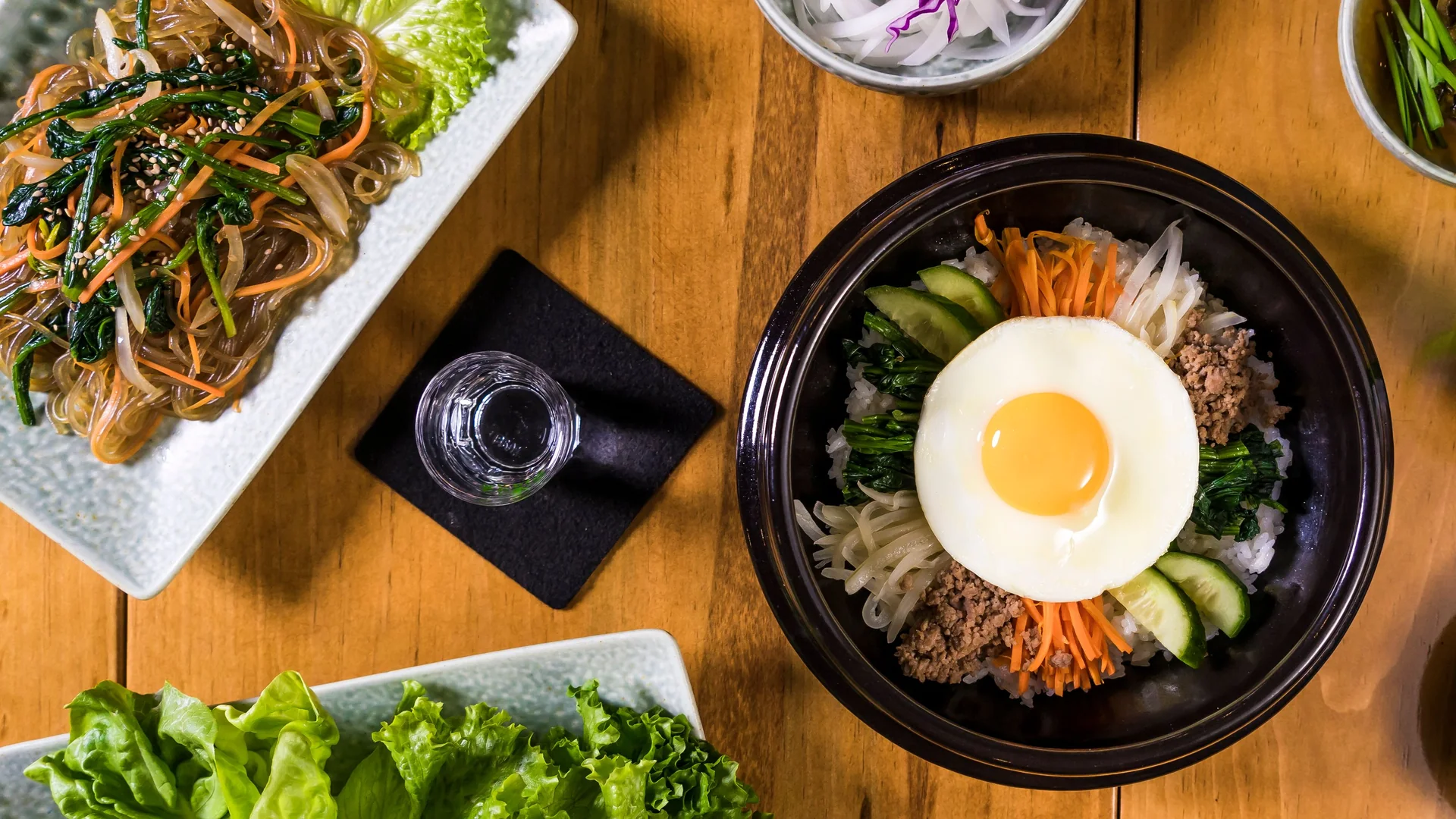
Overhead view of a black stone bowl of bibimbap topped with a fried egg, carrot, spinach, bean sprouts and minced beef on a wooden table, with a plate of japchae glass noodles beside it

Jongno · Seoul

Cook bulgogi, jeon and bibimbap in central Seoul

4.9 (428 verified reviews · GetYourGuide)

Cook with a Korean chef, then sit down to three courses and about ten banchan tastings, kimchi included.

Jeon sizzling in the pan, bulgogi on the plate and a spread of banchan to finish the table.

The class in four numbers

4.9 / 5
the average score across 428 verified reviews of the school’s class
About 10
banchan tastings with the meal, kimchi and Korean egg-roll among them
3
sessions every day of the week: brunch, lunch or an early dinner
15 m
from Jonggak Station exit 12 on Line 1 to the studio’s entrance

The menu in order

The table, dish by dish

What the chef puts on the table, in menu order, from the first pancake to the last sip of tea.

The jeon flavours and the dessert change by day, so no single pancake or sweet is promised. The three mains stay the same.

  1. 01

    Brunch, lunch or an early dinner

    Three sessions run every day of the week, Monday to Sunday. Pick the one that suits your day; the start times for your date appear when you check availability.

  2. 02

    The jeon

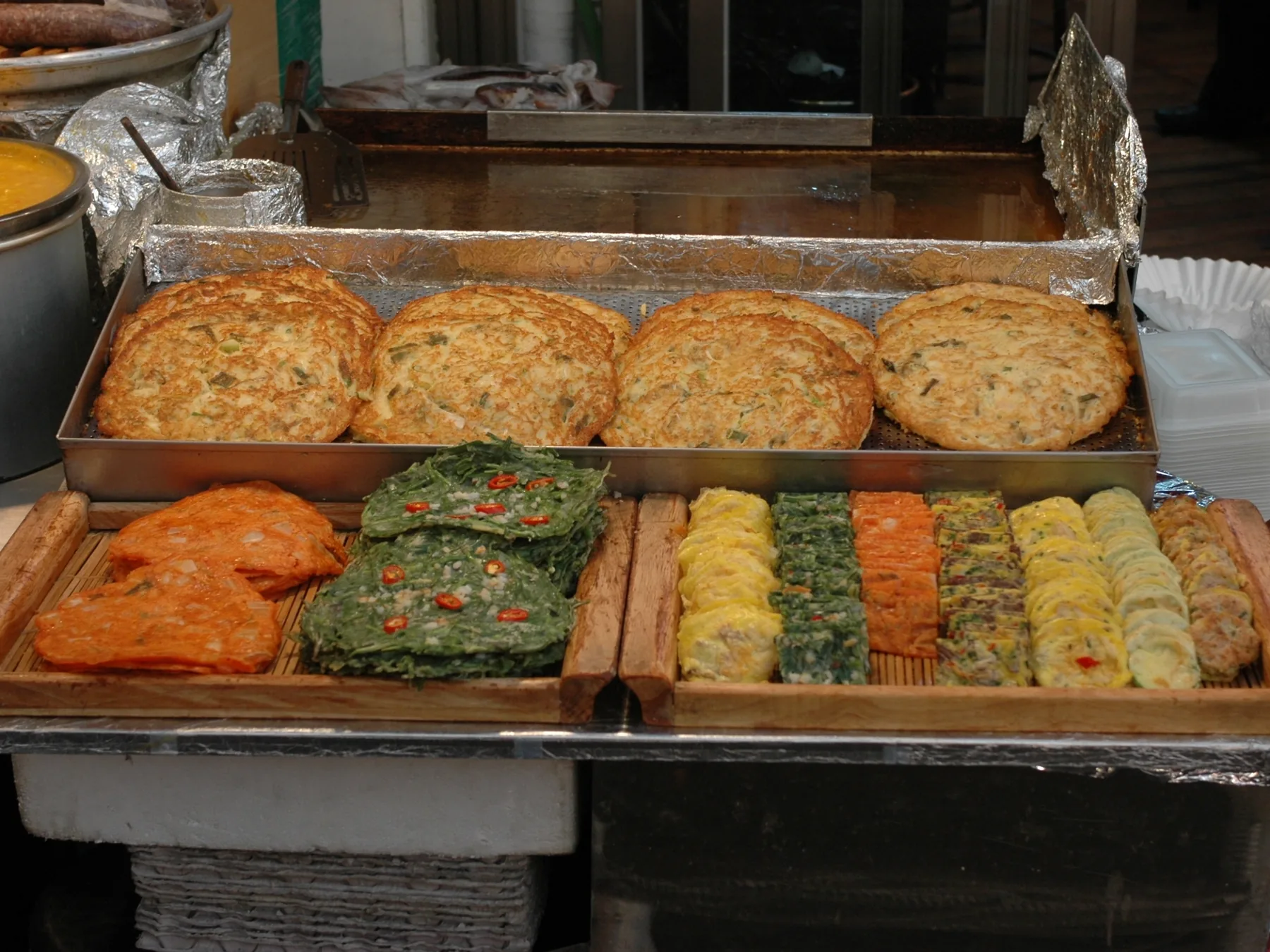
    Small Korean pancakes open the menu. Each group makes three or four from donggeurangttaeng meatballs, pollack pancake, seafood pajeon, beef pancake, tofu pancake and sesame-leaf pancakes.

  3. 03

    Japchae, bulgogi and Jeonju bibimbap

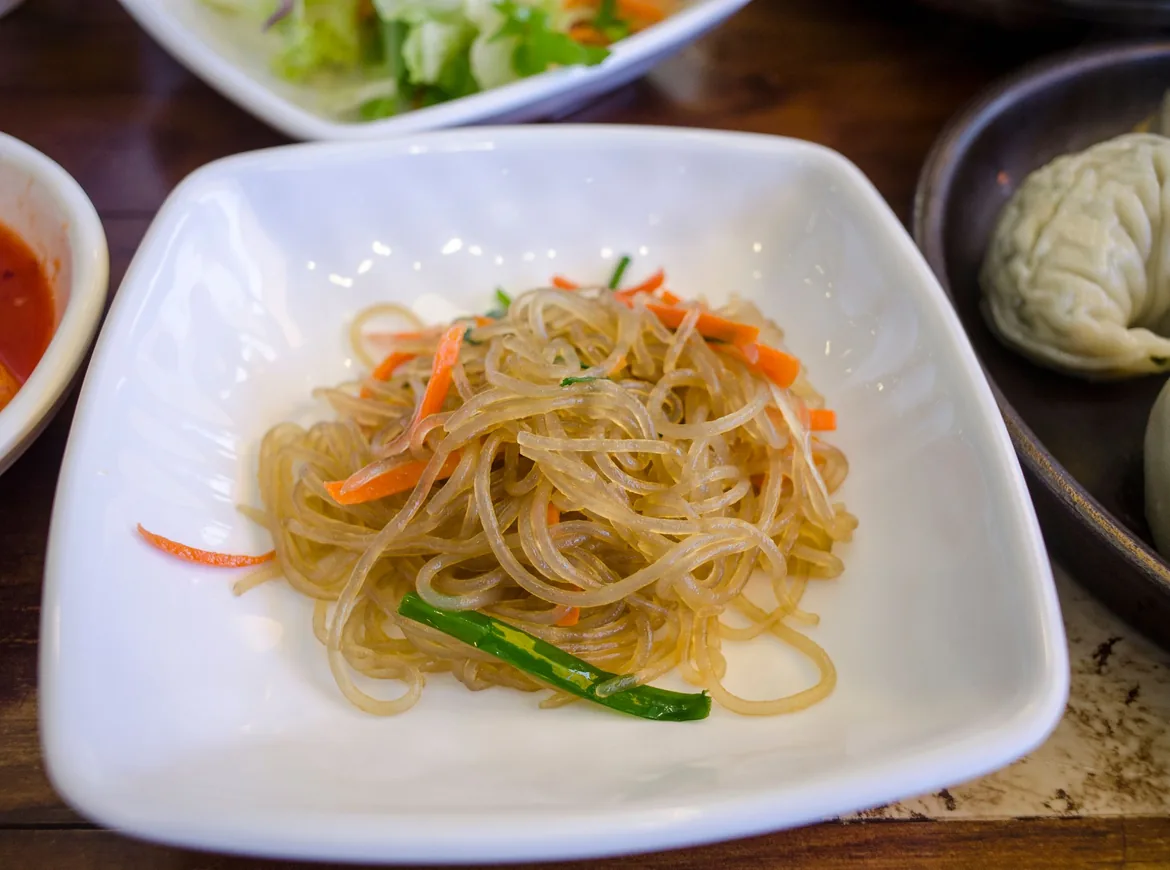
    The three mains are cooked together as a group: stir-fried glass noodles with vegetables, soy-seasoned barbecued beef in thin slices, and a rice bowl of seasoned vegetables.

  4. 04

    About ten banchan tastings

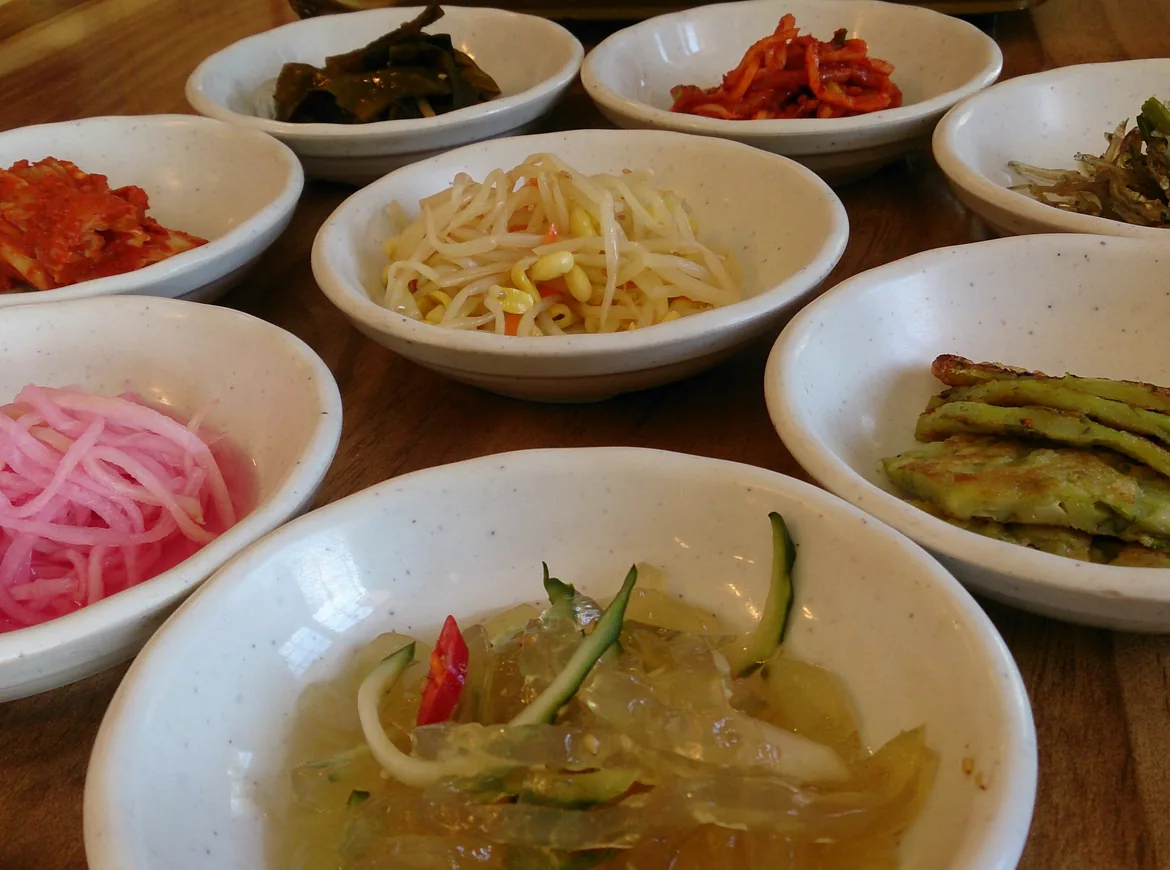
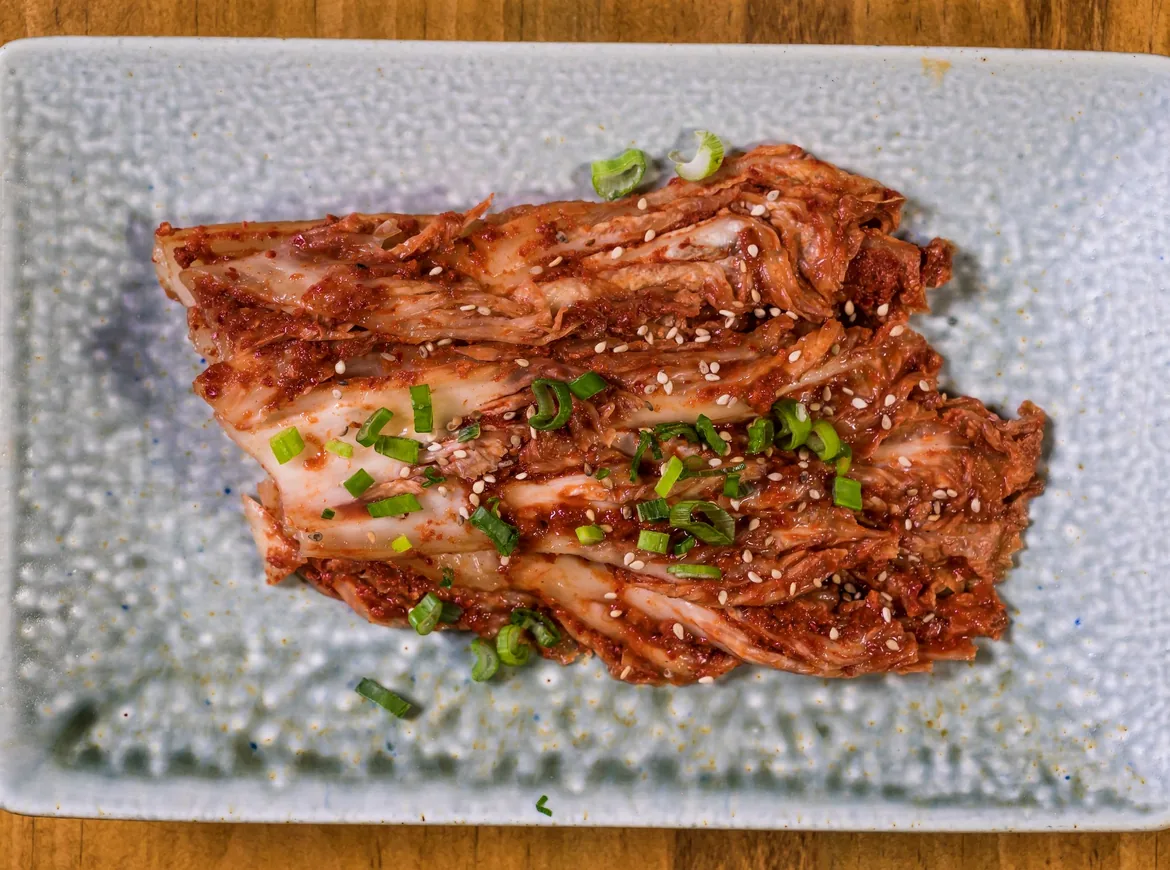
    Kimchi, radish kimchi, Korean egg-roll, stir-fried anchovy, seasoned soybean sprouts, seasoned spinach and spicy cucumber are among the small dishes that fill out the table.

  5. 05

    A sweet finish and a drink

    A Korean dessert changes daily, and bingsu, the shaved-ice favourite, is the one the class names. A welcome drink is part of the session, with water, sikhye (a sweet rice drink) and Korean tea alongside.

  6. 06

    The stories behind the food

    The chef teaches in English and tells where each dish comes from while the group cooks and eats, so the three courses come with the history of the table.

Trays of Korean pan-fried pancakes at a Gwangjang Market stall: four large golden rounds above rows of green, orange and yellow jeon

The table

Why a Korean table starts with small dishes

Rice, soup and a crowd of side dishes

Banchan are small side dishes served with cooked rice and set in the middle of the table to share. The more formal the meal, the more of them there are, which is why a class that ends with about ten tastings feels like a proper table rather than a single plate.

Kimchi, the dish that is never counted

A basic Korean table is described by how many banchan sit on it: three, five, seven, nine or twelve cheop, with twelve reserved for royal cuisine. Kimchi, salted and fermented vegetables seasoned with chilli powder, garlic, ginger and salted seafood, is a banchan too, yet it stays outside the count.

Jeon: the pan comes first

Jeon are fritters of fish, meat or vegetables coated in wheat flour and egg wash and fried in oil. They can open a meal as an appetizer or sit among the banchan, and here they open the menu, three or four per group, from a list of six.

A class in the historic centre

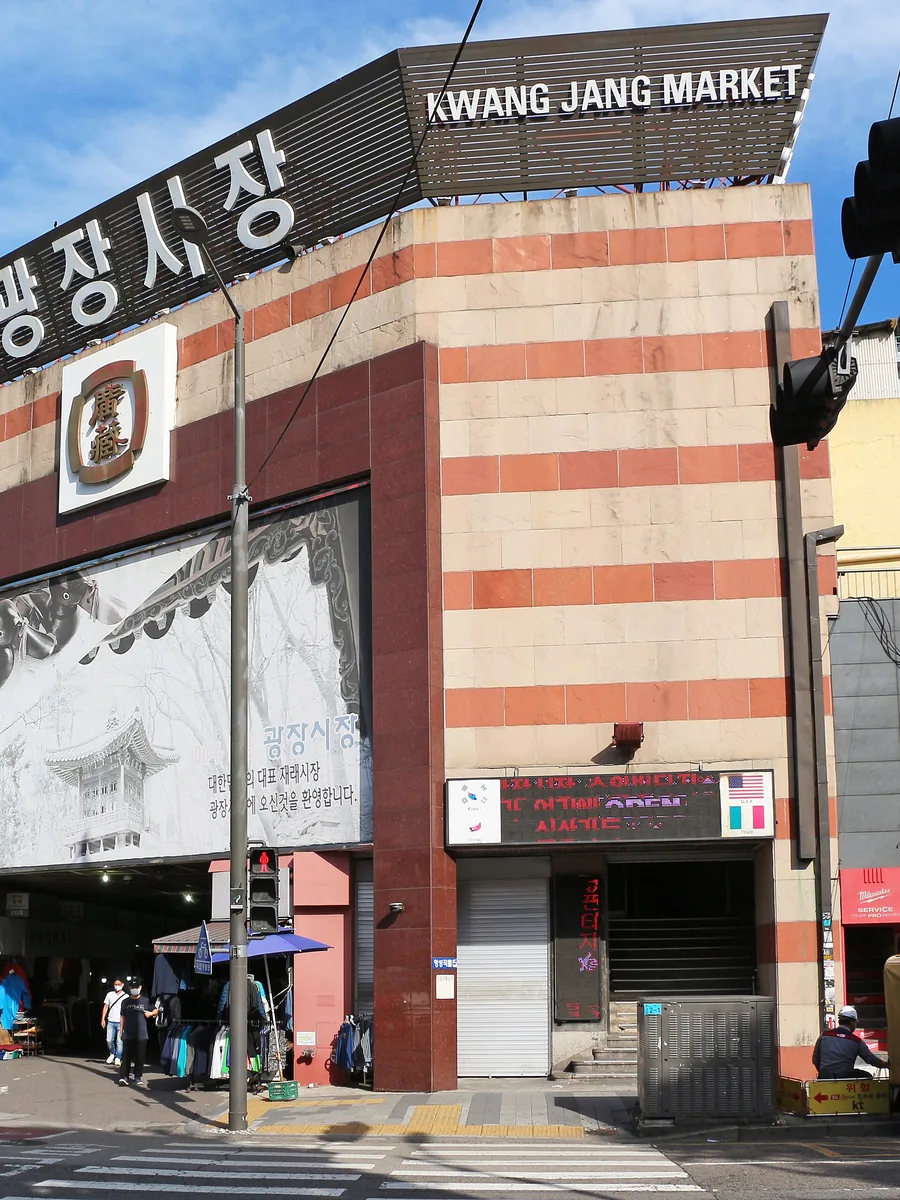
The studio is in Jongno, the historic centre of Seoul, where Gyeongbokgung, the main royal palace of the Joseon dynasty, stands. Gwangjang Market, a traditional market in the same district known for bindaetteok mung bean pancakes, is a ten-minute walk away.

Around the studio

Around the studio

The kitchen, the station and what is a short walk away.

The studio kitchen

The class is held in a studio kitchen on the seventh floor. Guests describe a bright, spacious room with a cooking station ready for them when they arrive.

Jonggak Station

Exit 12 of Jonggak Station on Line 1 is about 15 metres from the studio. Walk straight ahead, then take the first right at the corner.

The entrance

The door is beside the orange-fronted Good Game Zone, in the same building as the studio, which is on the seventh floor.

Gwangjang Market

One of the oldest and largest traditional markets in South Korea, in Jongno District and within a ten-minute walk. It is best known for bindaetteok and mayak gimbap.

Insadong and Ikseondong

Two of the neighbourhoods inside a ten-minute walk. The streets around the studio are known for shopping, live music and nightlife, which suits the early dinner session.

Gyeongbokgung Palace

The main royal palace of the Joseon dynasty is also within ten minutes on foot, which makes a brunch class an easy start to a day of sightseeing.

The red-and-cream striped entrance building of Gwangjang Market in Seoul under a blue sky, with the market’s name in Korean and English on the roof sign

Which class

Three Korean cooking classes in Seoul

ClassWhat it coversWho it suits
The Seoul Cooking Club classA 2.5-hour hands-on class in a Jongno studio: jeon, japchae, bulgogi and Jeonju bibimbap, about ten banchan tastings, a daily dessert and traditional drinks, taught in English with three sessions a day.First-timers who want the classic Korean table in one sitting, including vegetarian, vegan, pescatarian, gluten-free and halal eaters.
Royal cooking in a hanokTwo hours in a 1930s hanok near Gyeongbokgung with a small group capped at six or seven: LA galbi, fresh kimchi, haemul pajeon and tangpyeongchae, eaten from bangjja bronzeware with a glass of makgeolli and Korean desserts.Couples and small parties who want a quiet, heritage setting; beef is the default and a chicken or vegetarian version is requested at booking.
Home cooking and a market walk3.5 hours from Mangwon Station exit 2: a walk through a traditional market with street-food tastings, then hands-on cooking in a host’s home for up to ten guests, finishing with homemade side dishes, desserts and a glass of makgeolli.Curious eaters who want a market first, and travellers with vegetarian, vegan, halal or gluten-free needs, which the host welcomes.

Open the dates for all three daily sessions on the same GetYourGuide listing ↗

Three classes in Seoul

The three classes

The school’s own class, plus two from other hosts: a hanok kitchen and a home kitchen with a market walk. Each opens its own page on GetYourGuide, and below them are more things to do in Seoul.

The Seoul Cooking Club class

4.9 · 428 reviews · From US$109

A 2.5-hour hands-on class in a Jongno studio: jeon, japchae, bulgogi and Jeonju bibimbap, about ten banchan tastings, a daily dessert and traditional drinks, taught in English with three sessions a day.

See dates for this class ↗

Royal cooking in a hanok

5.0 · 250 reviews · From US$104

Two hours in a 1930s hanok near Gyeongbokgung with a small group capped at six or seven: LA galbi, fresh kimchi, haemul pajeon and tangpyeongchae, eaten from bangjja bronzeware with a glass of makgeolli and Korean desserts.

See dates for this class ↗

Home cooking and a market walk

5.0 · 451 reviews · From US$106

3.5 hours from Mangwon Station exit 2: a walk through a traditional market with street-food tastings, then hands-on cooking in a host’s home for up to ten guests, finishing with homemade side dishes, desserts and a glass of makgeolli.

See dates for this class ↗

Pick your session

Open dates for the three daily sessions show up in this box, with fares in your own currency.

More to do in Seoul

More to do in Seoul ↗

Before you go

Before you go

Finding the studio

Take Line 1 to Jonggak Station and leave by exit 12. Walk straight ahead, take the first right around the corner, and the entrance is beside the orange-fronted Good Game Zone, with the studio on the seventh floor of the same building.

Choosing a session

Brunch, lunch and early dinner sessions run every day, and the class lasts 2.5 hours. The start times for your date appear in the booking calendar once you check availability.

What to wear

Closed-toe shoes are the one item on the bring list. Guests describe ingredients and utensils laid out at their station when they arrive.

Diets and allergies

The school’s class is set up for vegan, vegetarian, pescatarian, gluten-free and halal requests, so mention yours when you book. The hanok class cooks beef ribs by default, with chicken or vegetarian on request; for vegan, halal or gluten-free cooking, choose another class. The home class welcomes vegetarian, vegan, halal and gluten-free requests and asks you to tell the host about restrictions and allergies.

Access

The school’s class is wheelchair accessible. The home class has no elevator up to the host’s home, and its meeting point at Mangwon Station is yours to reach, since there is no hotel pickup.

After the class

Insadong, Ikseondong, Gwangjang Market, Myeongdong and Gyeongbokgung Palace are all within about ten minutes on foot of the studio, so plan the rest of your day around the session you pick.

FAQ

Questions before you book a class

Is this site run by Seoul Cooking Club?

No. Seoul Cooking Club is the school that teaches the class. This is an independent guide that explains the class and sends you to GetYourGuide to book. The school does not run this site, and booking, payment and cancellation all happen on GetYourGuide.

What will I cook?

Three or four jeon (small Korean pancakes) for the appetizer, then japchae, bulgogi and Jeonju bibimbap as the mains. About ten banchan tastings and a daily dessert complete the three-course meal.

Can the class cater for vegetarian, vegan, gluten-free or halal diets?

The school’s class is set up for vegan, vegetarian, pescatarian, gluten-free and halal requests, so mention yours when you book. The hanok class cooks beef ribs by default and lists a chicken or vegetarian swap, so for vegan, halal or gluten-free cooking choose the school’s class or the home class.

How long is it and when does it start?

The school’s class lasts 2.5 hours. Three sessions run every day, Monday to Sunday: brunch, lunch or an early dinner. Start times for your date appear in the booking calendar.

Where is the studio?

On the seventh floor of a building in Jongno, 15 metres from exit 12 of Jonggak Station on Line 1. Walk straight ahead, take the first right at the corner and look for the orange-fronted Good Game Zone beside the entrance.

Is the class taught in English?

Yes. The instructor teaches in English and tells the stories behind the dishes as the class goes on.

Is cancellation free, and when do I pay?

Yes to both. Cancellation is free until 24 hours before the class, and reserving now means paying later, once the rest of your Seoul plans have settled.

Is it wheelchair accessible, and what should I wear?

The school’s class is wheelchair accessible. Wear closed-toe shoes, which are the one thing the bring list asks for.

Cook Korean in Jongno, then sit down to a table of banchan.

Book the Seoul cooking class ↗

The fare changes with your date and party size; GetYourGuide quotes it in your own currency and shows the full total before you commit.

Check dates for this classFree cancellation up to 24 h · pay later